Choosing a fence
Vinyl Privacy Fence: Everything You Need to Know
· 3 min read · D2K crew
Get the facts on vinyl privacy fence installation in PA and MD, covering panel construction, post depth, color options, and routine care.
Understanding Panel Construction and Wall Thickness
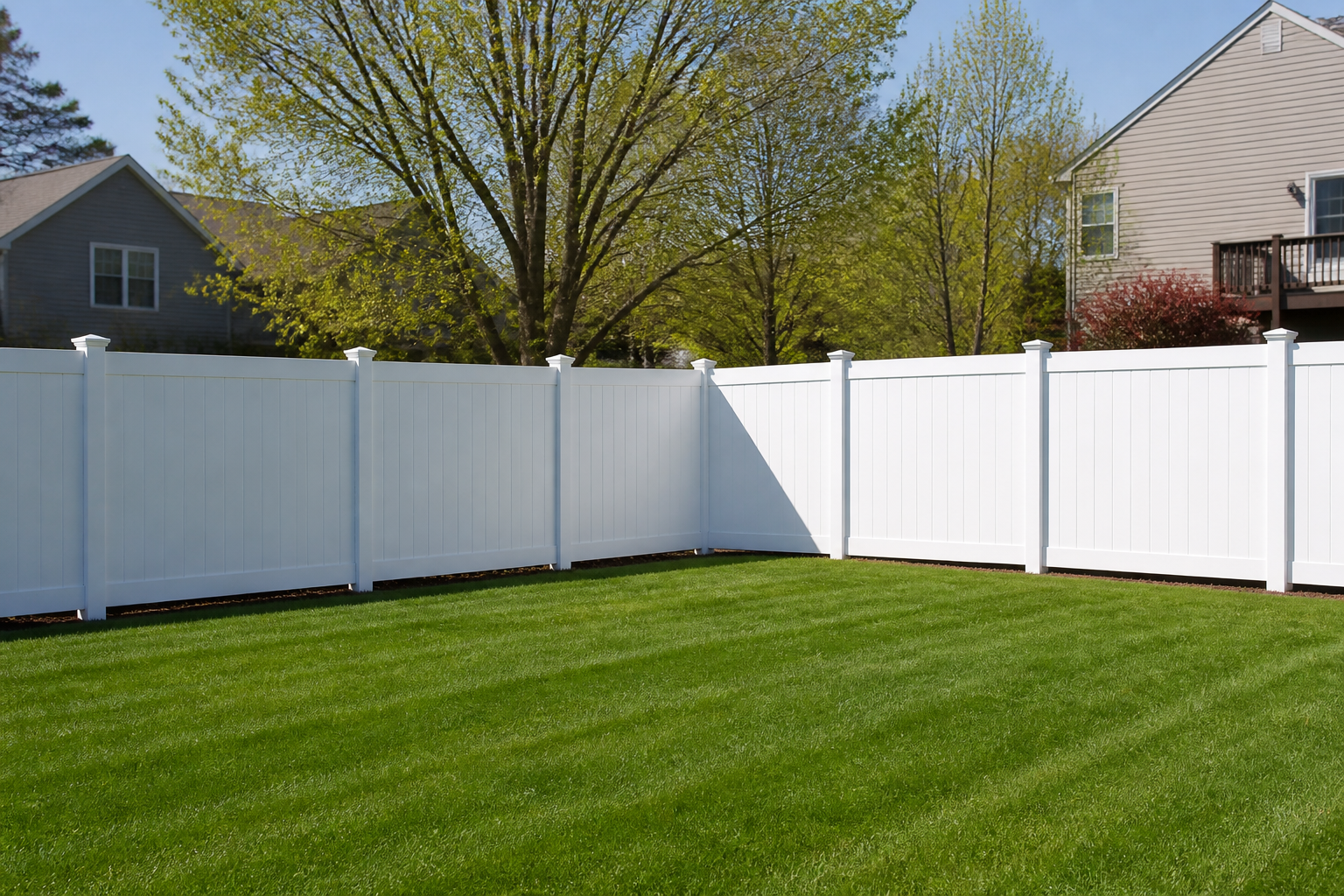
Not all vinyl fencing is manufactured to the same standard. When researching a vinyl privacy fence guide, the first details to look at are the wall thickness and internal construction of the rails and pickets. Thin vinyl panels sold at big box stores tend to crack under impact and sag over time. Professional-grade vinyl features heavier gauge walls and engineered internal ribs that provide structural rigidity against wind and heavy snow.
A quality privacy panel uses tongue-and-groove pickets that lock tightly into top and bottom rails. Bottom rails should include a heavy-duty aluminum or steel channel insert that supports the weight of the panels across the entire span between posts. This prevents the fence from sagging in the middle after a few seasons in Hanover or York.
- Heavy-duty commercial grade vinyl profile
- Engineered internal stiffening ribs
- Tongue-and-groove interlocking pickets
- Reinforced bottom rail inserts
Color Options and Wind Resistance Ratings
Modern vinyl fencing extends well beyond standard bright white. Manufacturers now produce tan, clay, gray, and realistic woodgrain finishes that complement various architectural styles. Higher-end colored profiles utilize specialized outer layers with titanium dioxide and UV inhibitors. These additives prevent yellowing, chalking, and thermal warping when exposed to summer heat in Gettysburg or Littlestown.
Wind resistance depends on panel design, post strength, and proper fastener engagement. Solid privacy panels catch significant wind, acting like a sail during heavy storms. Choosing heavy-duty vinyl components with reinforced rails ensures your fence stands firm when high winds sweep across York County and northern Maryland.
- UV inhibitors to protect against sun damage
- Natural clay, tan, and woodgrain textures
- High wind-load structural engineering
- Fade-resistant capstock technology
Post Setting and Structural Integrity
A fence is only as strong as its foundation. A proper vinyl privacy fence installation PA homeowners can count on requires deep, solid post footings. Posts must be set below the local frost line—typically 30 to 36 inches deep—to prevent frost heave from throwing the fence line out of alignment during harsh Pennsylvania winters.
We set vinyl posts directly into wet-mixed concrete footings rather than dry-packing dust and gravel. For gate posts and end posts subject to additional torque, internal aluminum stiffeners or concrete-filled posts are installed to keep the structure plum over decades of continuous use.
- Footings set deep below the frost line
- Solid wet-mixed concrete foundations
- Aluminum post stiffeners at hinge points
- Precision laser alignment for straight runs
Gate Design and Heavy-Duty Hardware
Gates represent the only moving part of your fence system and experience the most wear and tear. Standard vinyl gate panels without internal reinforcement will eventually rack, drag on the ground, and refuse to latch properly. High-performance vinyl gates feature welded internal aluminum frames or diagonal corner bracing to keep the gate square.
Hardware selection is equally critical. Heavy-duty stainless steel or powder-coated aluminum hinges with adjustable tension ensure self-closing operation. Pair these with dual-sided keyable latches for reliable security whether you are entering from the driveway in East Berlin or closing off a yard in Westminster.
- Internal aluminum welded gate frames
- Adjustable self-closing tension hinges
- Keyable stainless steel latching hardware
- Drop rods for double-drive gate setups
Cleaning, Maintenance, and Material Longevity
One major advantage of vinyl fencing is its low ongoing maintenance requirement. Unlike wood, vinyl never requires sanding, staining, painting, or chemical sealing. Rain washes away most day-to-day dust, while occasional shade-side algae growth can be handled quickly with standard household items.
To clean your fence, mix mild dish soap or simple green with water and wipe down the panels using a soft sponge or non-abrasive brush. A periodic rinse with a garden hose keeps the surface clean. Premium vinyl profiles come backed by long-term manufacturer material guarantees, making them a dependable investment for home security and curb appeal.
- No painting, staining, or sealing required
- Easy cleanup with mild soap and water
- Resistant to rot, insects, and splintering
- Long-term manufacturer material coverage
Want a price for your own yard?
Draw your fence line on a satellite view of your property and see a preliminary price in a few minutes.