
Landscaping
Landscape Bed Design: Edging, Mulch, and Stone Guide
· 4 min read · D2K crew
Learn how proper landscape bed design, deep edge trenching, organic mulch, and decorative stone create clean, low-maintenance yard borders.
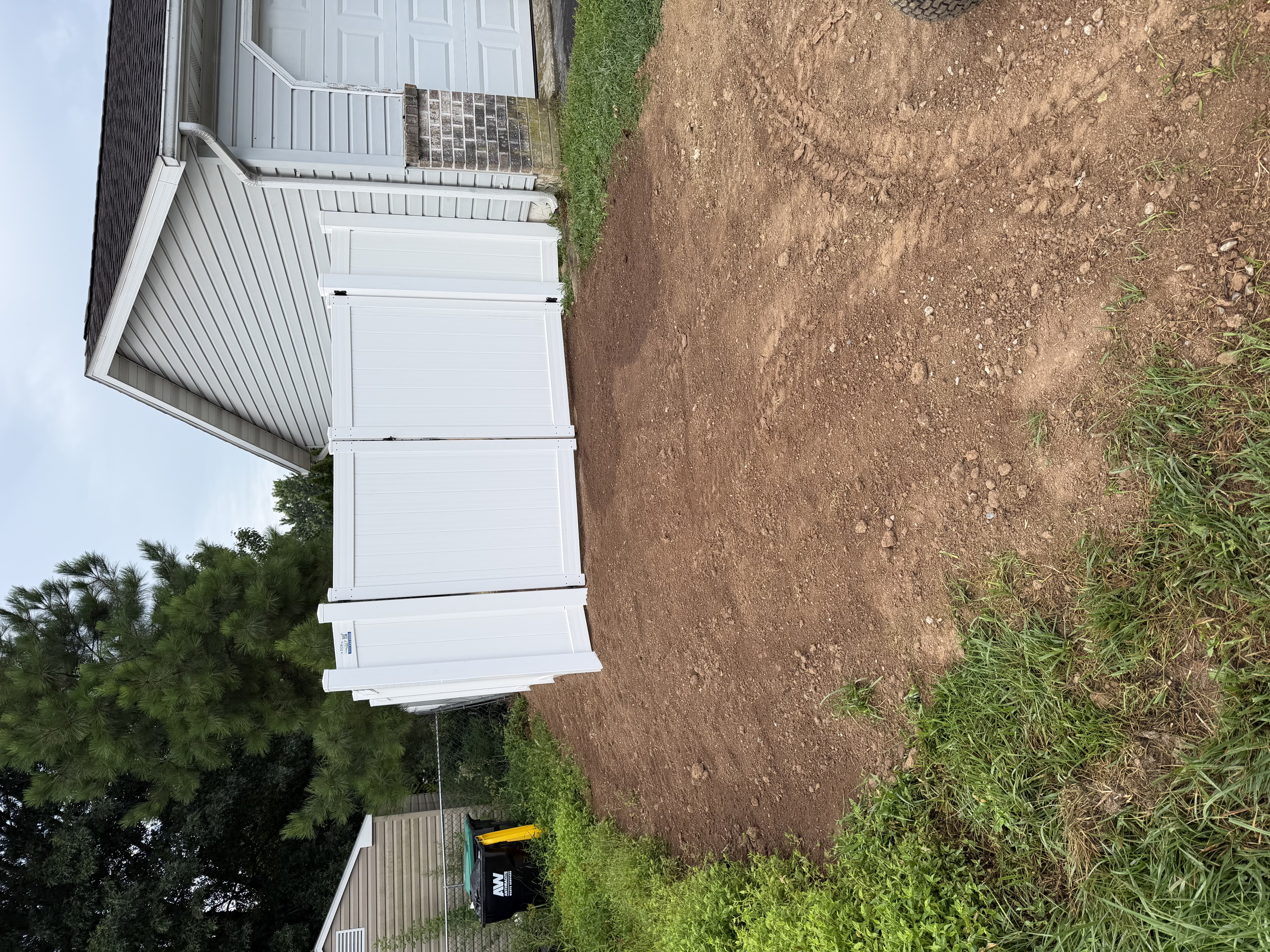
Designing Clean Lines and Functional Bed Layouts
Designing new landscape beds starts with establishing purposeful boundaries that match the layout of your home and yard. Linear foundation walls often benefit from soft, sweeping bed curves that break up hard corner angles across properties in Hanover PA and York PA. Defining these lines visually with a garden hose or layout tape before digging allows you to test sightlines from windows, driveways, and back patios.
A well-proportioned bed leaves adequate space between mature plant roots and building footings. Narrow strip beds along house walls quickly crowd plants as they grow, trapping moisture against siding and restricting airflow. Widening beds to accommodate deep plantings and clean edging improves plant health while giving your lawn mower a smooth path along the turf border.
- Mark natural, fluid curves using flexible garden hoses before cutting sod
- Keep plant centers set back far enough from foundation walls for air movement
- Design wide bed boundaries to accommodate mature shrub root spread
- Align bed edges to make lawn mowing and trimming straightforward
Establishing Long-Lasting Bed Edging Systems
Edge definition keeps aggressive lawn grass like Kentucky bluegrass and tall fescue from creeping into your soil beds. A clean trench edge cut three to four inches deep at a ninety-degree angle creates a physical barrier that stops horizontal grass runners without requiring plastic borders. This traditional spade edge is easily maintained with annual edging re-cuts.
For homeowners looking for sharp, permanent borders in Gettysburg PA and New Oxford PA, metal, stone, or paver edging provides heavy-duty separation. Installed flush with the turf line, hard edging prevents lawn mower tires from dropping into soil pockets while holding mulch and decorative stone neatly within designated borders during heavy rainstorms.
- Cut sharp vertical spade edges to block grass roots from spreading
- Install paver or metal borders flush with turf height for easy mowing
- Prevent mulch and washouts along sloped property lines
- Maintain deep edge trenches annually during spring cleanup routines
Comparing Organic Mulch and Decorative Stone
Choosing between shredded hardwood mulch and decorative river stone depends on your maintenance goals and planting style. Double-shredded bark mulch breaks down over time, enriching heavy clay soils common in East Berlin PA and Littlestown PA. Mulch retains soil moisture, regulates root temperatures in mid-summer heat, and suppresses weed seeds naturally, though it requires a fresh top-dress every season or two.
Decorative stone offers a permanent ground cover that does not break down or wash away easily. River rock, crushed basalt, and Delaware stone add distinct texture and color around modern landscape features and low-water plantings. Because rock retains heat, it works best around tough shrubs, ornamental grasses, and foundation zones where frequent mulch refreshing is unpractical.
- Shredded bark mulch decomposes to feed soil nutrients and protect root moisture
- Decorative stone delivers a clean, permanent barrier that won't blow away
- Mulch excels in high-density flower beds and around acid-loving shrubs
- Decorative rock suits foundation borders, drainage paths, and dry areas
Underlayment Fabric and Soil Preparation
Proper soil preparation determines whether a fresh landscape bed stays clean or becomes overgrown with weeds. Before laying top-dressing materials, strip existing turf, clear weed root masses, and grade the bed so water drains naturally away from house foundations. Working organic compost into planting holes gives young root systems an immediate head start.
When installing decorative stone, heavy-duty woven geotextile fabric is essential under the rock layer. Fabric prevents stone from settling down into raw subsoil while stopping deep-rooted weeds from pushing up. For bark mulch beds, skip plastic barriers so organic material can freely interact with the soil and feed beneficial microbes.
- Clear all sod roots and grade beds away from basement walls
- Use commercial-grade woven geotextile fabric strictly under stone applications
- Avoid non-porous plastic sheeting that traps excess moisture around plant roots
- Amend native soil with organic matter prior to planting trees and shrubs
Maintaining Bed Borders and Refreshing Ground Covers
Keeping landscape beds looking sharp requires basic seasonal maintenance. Organic mulch beds need a light fluffing with a hand rake in late spring to break up crust formation and allow rain to penetrate soil easily. Adding a thin inch of fresh top-dressing maintains color and weed suppression without smothering shrub trunks.
Decorative rock beds require periodic clearing of fallen leaves and blown-in debris before it decomposes between the stones. Partnering with a professional landscaping company Hanover PA property owners trust ensures your beds, edging lines, and ground covers are properly designed, installed, and built to handle local seasonal weather.
- Rake aged mulch periodically to maintain water permeability
- Keep mulch pulled back two inches from tree trunks and wooden siding
- Blow fallen leaves off decorative rock to stop organic debris buildup
- Re-trench edge lines each spring to keep turf borders razor sharp
Want a price for your own yard?
Draw your fence line on a satellite view of your property and see a preliminary price in a few minutes.