
Choosing a fence
Decorative Aluminum vs Vinyl Fences: Style and Function
· 4 min read · D2K crew
Compare decorative aluminum and vinyl fencing styles for curb appeal, topography racking, wind resistance, and maintenance across PA and MD properties.
Architectural Fit and Visual Openness
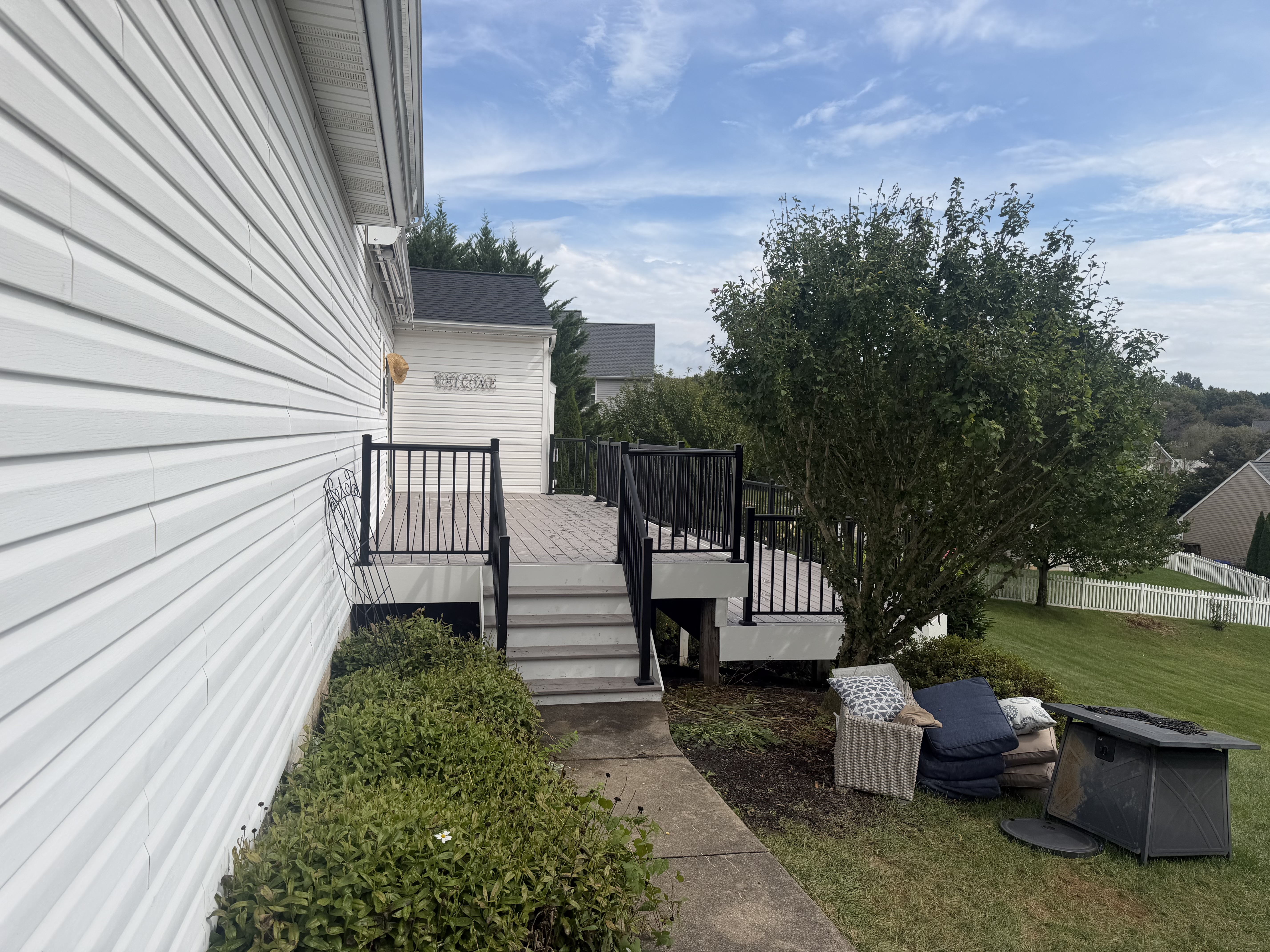
Choosing between decorative aluminum and vinyl comes down to how you want your yard to connect with the surrounding landscape. Decorative aluminum fencing features slim vertical pickets with ornamental spear tops or flat rails. This creates a classic wrought-iron aesthetic without the rust. It leaves your view open, making it ideal if your property borders woods, a pond, or open rolling hills in Gettysburg or York. Vinyl fencing offers solid privacy panels, decorative lattice tops, or clean white picket designs that define boundaries sharply and block unwanted sights.
Aluminum naturally blends into natural greenery and modern landscaping, giving your yard an expansive, estate-style finish. Decorative vinyl acts as a solid visual backdrop, highlighting flower beds and garden borders while keeping your outdoor living space private. Matching the fence style to your home architecture—whether colonial, craftsman, or modern ranch—is the first step in making the right choice.
- Decorative aluminum preserves scenic views while defining property lines.
- Vinyl privacy and semi-privacy panels provide complete visual screening.
- Aluminum mimics historic wrought iron with zero painting or rust concerns.
- Vinyl delivers clean lines that complement painted trim and siding.
Handling Slopes, Grade Changes, and Terrain
Central PA and Northern MD properties rarely feature perfectly flat land. Yard slopes, swales, and rolling hills in places like Hanover and Hampstead require a fence that accommodates changing grade smoothly. Aluminum fence panels are manufactured to rack, meaning the horizontal rails adjust up to forty-five degrees to follow the natural ground contour. This keeps the space under the fence tight to the ground without leaving unsightly step-down gaps.
Vinyl fencing can be racked to minor slopes, but steeper grade changes usually require stair-stepping the panels. Stair-stepping leaves triangular gaps underneath each panel, which can create escape routes for small pets or let wildlife crawl in. If your yard has significant hills or uneven terrain, decorative aluminum handles the ground contours far more gracefully than vinyl.
- Aluminum racks smoothly down steep hills without gaps under the bottom rail.
- Vinyl stair-stepping leaves open triangles along sloped property lines.
- Racked aluminum keeps pets securely inside uneven yard boundaries.
- Proper ground contouring prevents erosion washouts along the fence line.
Wind Loads, Strength, and Impact Resistance
Wind exposure is a major factor for properties in rural spots like East Berlin or hilltop lots in Westminster. Vinyl privacy fences act like wide sails during strong summer thunderstorms and winter wind gusts. Because vinyl panels catch full wind force, post footing depth and heavy-duty corner posts are critical to prevent leaning or panel failure over time.
Decorative aluminum fencing features open pickets that allow high winds to pass straight through with minimal resistance. This makes aluminum extremely stable in wind-prone open areas. However, vinyl handles direct blunt impact from backyard sports or falling tree limbs with flexible give, whereas aluminum pickets can bend if hit by heavy lawn equipment or large branches.
- Open aluminum pickets pass high wind gusts without structural stress.
- Solid vinyl privacy panels require deeper post footings to withstand heavy wind.
- Vinyl absorbs minor blunt impacts and flexes back into position.
- Bent aluminum pickets require section replacement if struck by heavy machinery.
Maintenance Expectations and Local Climate Performance
Both decorative aluminum and vinyl are low-maintenance materials compared to traditional wood fencing. Neither material requires staining, sealing, or painting. However, our local climate brings humid summers, winter freeze-thaw cycles, and red clay dust that affect each material differently. Aluminum fencing is powder-coated, resisting moisture, UV rays, and surface rust completely. A simple rinse with a garden hose removes seasonal pollen and road dirt.
White and light-colored vinyl fences can show algae or mold growth along shaded, moist tree lines in damp PA springs. Cleaning vinyl requires periodic pressure washing or scrubbing with mild soap to restore its bright finish. Aluminum holds its dark powder-coated sheen for decades with almost no effort, making it the lower-maintenance option in heavily shaded or damp yards.
- Powder-coated aluminum resists rust, UV fading, and moisture damage.
- Vinyl requires occasional washing to remove algae along damp shaded borders.
- Neither material cracks or rots during Pennsylvania freeze-thaw cycles.
- No painting or staining is ever needed for either fencing option.
Selecting the Right Option for Your Property
Deciding on decorative aluminum vs vinyl fencing ultimately depends on your primary goal for your outdoor space. If your priority is keeping scenic views clear, navigating sloped terrain, and installing a maintenance-free ornamental border, decorative aluminum is hard to beat. If your top goal is total visual privacy, wind protection around a patio pool, or matching classic white residential trim, vinyl is the right fit.
At D2K Fence and Landscape, our family team helps homeowners across Hanover, New Oxford, Littlestown, and surrounding towns choose and install the right fence for their ground conditions and design goals. Contact us today to evaluate your yard layout and choose a fence built to stand up to local weather.
- Choose aluminum for open views, steep grade racking, and minimal cleaning.
- Choose vinyl for total privacy, pool enclosures, and solid sight barriers.
- Consult local fence installers to evaluate grade, soil, and HOA rules.
Want a price for your own yard?
Draw your fence line on a satellite view of your property and see a preliminary price in a few minutes.