
Decks & Railing
Deck Resurfacing vs Full Rebuild: How to Decide
· 4 min read · D2K crew
Wondering if your framing can handle new boards or needs a tear-out? Learn how to inspect joists, ledger boards, and posts before choosing a rebuild.
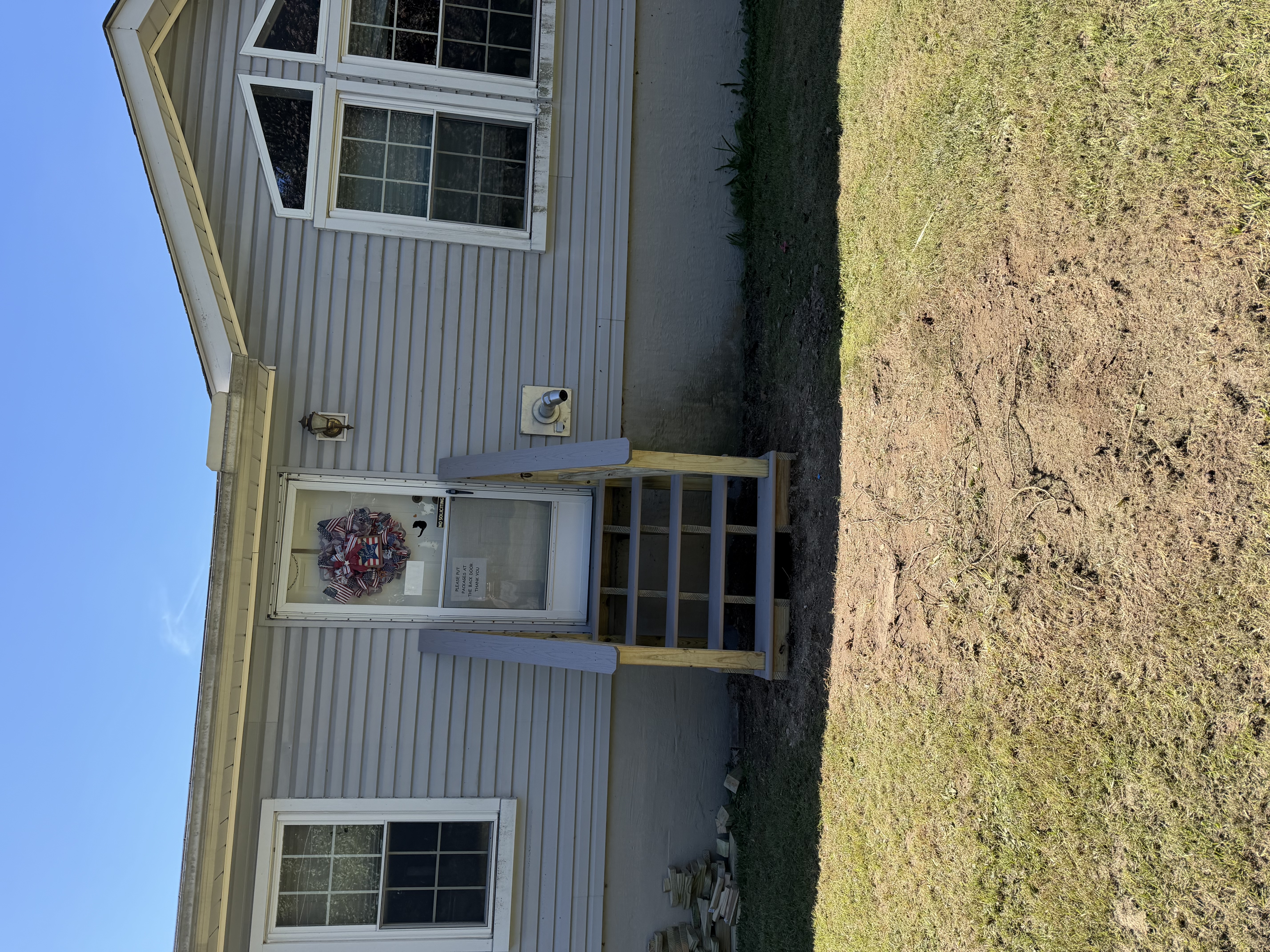
Evaluating Your Existing Deck Framing
Homeowners across Hanover and York frequently ask if they can pull off worn floorboards and install new composite decking directly over the old frame. Resurfacing, also called redecking, saves time and disruption by keeping the structural posts, beams, and joists while replacing the surface boards and railing. It is an appealing option if the skeleton of the deck remains sound, level, and code-compliant.
A full deck rebuild becomes necessary when the substructure has reached the end of its working life. Even if surface rot is all you notice at first glance, the hidden structural members bear the real load. Before committing to redecking, an experienced deck builder Hanover PA homeowners trust will crawl underneath to probe the timber, check hardware connections, and evaluate the foundation footings.
- Surface decking absorbs weather, but structural frames rot from trapped water.
- Redecking preserves sound substructures to upgrade boards and railing.
- Tear-outs are mandatory if joists show rot, sagging, or improper spacing.
Key Warning Signs That Demand a Full Rebuild
The ledger board is the single most critical structural element on an attached deck. If the ledger board against your house was installed without proper flashing, water seeps behind it and rots both the rim joist and your home's framing. Soft spots around lag screws or carriage bolts mean the deck is pulling away from the house, creating an immediate safety hazard that simple resurfacing cannot fix.
Footings and ground posts also dictate whether a frame can be saved. Older decks in Adams and York counties were often built with posts sunk directly into soil rather than poured concrete piers with standoff brackets. If those below-ground posts have decayed, or if the footings sit above the local thirty-inch frost depth and heave in winter, the frame must come down completely.
- Soft, spongy timber around ledger fasteners and house attachment points.
- Undersized or decaying posts set directly into dirt without concrete piers.
- Corroded joist hangers, missing structural hardware, or rusted fasteners.
Framing Requirements for Modern Composite Decking
If you plan to upgrade from weathered timber to modern composite decking, your joist spacing must match manufacturer specifications. Most standard builders framed older decks with joists spaced sixteen inches on center. While sixteen inches works for straight composite board runs, laying boards on a forty-five-degree diagonal requires twelve-inch joist spacing to eliminate bounce and long-term sagging.
A qualified contractor also inspects the tops of the joists where old fasteners were driven. Water penetrates those old screw holes over decades, creating localized rot right where your new hidden fasteners need solid wood to bite into. Adding structural blocking, sistering weak joists, and applying butyl joist tape protects sound framing before any new surface boards are installed.
- Composite boards require strict joist spacing to prevent flex and bounce.
- Diagonal decking patterns demand twelve-inch joist centers.
- Protective joist tape seals old fastener holes against future rot.
Upgrading Railings, Stairs, and Code Compliance
Resurfacing is the ideal time to replace failing perimeter enclosures with modern deck railing or aluminum railing near me. Older balusters often fail current code standards, which require railings to withstand strong horizontal force while preventing a four-inch sphere from passing through any opening. Upgrading to low-maintenance black aluminum or clean vinyl railing modernizes the outdoor living area and improves structural perimeter safety.
Stair stringers almost always require complete replacement during a resurfacing project. Outdoor stairs take heavy moisture abuse and ground contact, causing stringer bottoms to rot out long before the main deck framing fails. Rebuilding stair stringers with fresh structural framing ensures your risers and treads remain solid, uniform, and safe underfoot throughout seasonal freezes.
- Modern aluminum and vinyl railing assemblies eliminate periodic painting.
- Updated railings bring older elevated structures up to current building codes.
- Stair stringers typically need replacement even when main joists are sound.
Making the Final Call for Your Property
If your deck frame is under fifteen years old, plumb, properly anchored to sound footings, and free of structural rot, deck resurfacing delivers a clean finish that looks brand new. You get the longevity of modern composite boards and durable railing systems without the labor and permitting overhead of digging new piers or restructuring the home connection.
If you want to expand the deck footprint, adjust the height, or if the underlying timber shows widespread splitting, insect damage, or rot, plan on a full rebuild. Working with a dedicated deck builder Hanover PA relies on ensures your outdoor structure in Gettysburg, York, or Westminster is engineered correctly from ground contact to the top rail.
- Resurface when the frame is structurally sound, level, and properly flashed.
- Rebuild completely when changing the deck footprint, height, or stairs.
- Always verify footing depth and ledger integrity before buying new boards.
Want a price for your own yard?
Draw your fence line on a satellite view of your property and see a preliminary price in a few minutes.