
Decks & Railing
Composite vs PVC Decking: Material Differences & Performance
· 3 min read · D2K crew
Learn the structural and performance differences between capped composite and solid cellular PVC decking to pick the right material for your home outdoor space.
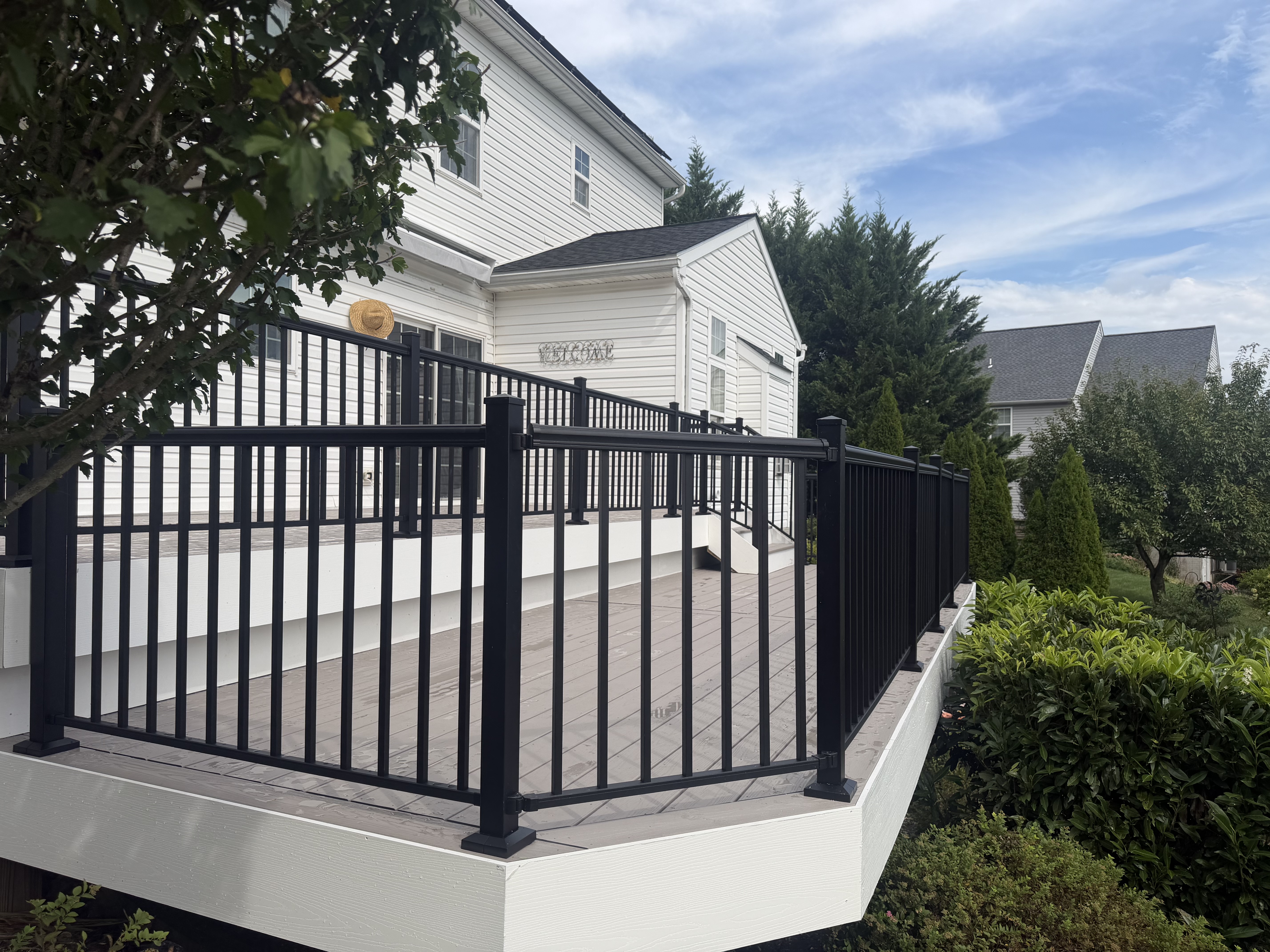
Material Composition: Wood-Plastic Composite vs Cellular PVC
Choosing the right decking material comes down to understanding what happens beneath the surface board cap. Wood-plastic composite boards combine recycled fibers with synthetic polymers, encapsulated inside a durable protective cap. Cellular PVC decking contains no organic plant material whatsoever, being extruded entirely from solid polyvinyl chloride.
As a deck builder Hanover PA homeowners rely on for outdoor living spaces, we see how both options handle South Central PA climate shifts. Composite boards provide excellent natural rigidity and feel solid underfoot, while PVC offers maximum resistance to surface staining and moisture absorption.
- Capped composite features a recycled core covered by a tough polymer shell.
- Cellular PVC is completely synthetic and contains zero organic fibers.
- Composite boards offer stiff flex resistance across standard joist layouts.
- PVC boards resist surface scuffs and organic mold growth exceptionally well.
Moisture Resistance and Thermal Expansion
Pennsylvania weather brings freezing winter snow, freeze-thaw cycles, and humid summer weather. Moisture absorption is the main cause of material breakdown over decades outdoors. Because capped composite retains an inner core under its outer shell, cut board ends must be handled properly during installation to keep water away from exposed edges.
Solid PVC decking completely eliminates water absorption risks since there are no internal fibers to take on moisture. However, PVC boards exhibit higher rates of thermal movement along their length. Proper framing prep and hidden fastener selection are critical when securing PVC to prevent board bowing during seasonal temperature swings in York and Gettysburg.
- PVC boards will not absorb water around pool decks or ground-level frames.
- Composite boards require precision end-cap sealing where factory edges are trimmed.
- PVC expands and contracts along length during extreme temperature shifts.
- Hidden fastener systems allow controlled movement for synthetic deck boards.
Heat Retention, Surface Scuffs, and Daily Comfort
Board temperature under direct sun matters if you walk barefoot or have pets on the deck in mid-summer. Modern composite decking absorbs heat depending heavily on color density, with darker tones retaining warmth under full exposure. PVC boards generally shed surface heat slightly faster than composite boards of identical color shades.
When looking at wear resistance, high-end composite capping provides great protection against heavy patio furniture and active pets. Solid PVC features strong surface density but can show scuffs under sharp metal table legs if moved roughly. Pairing either deck board option with clean deck railing or an aluminum railing near me creates a sleek, low-maintenance back yard setup.
- Lighter board shades run noticeably cooler in direct sunlight across both materials.
- Capped composite shells resist surface scratches from furniture movement.
- PVC board surfaces cool down faster once direct sun passes late in the day.
- Installing low-maintenance porch railings adds security around elevated spans.
Framing Requirements and Structural Support
Substructure layout dictates how rigid your finished floor feels under heavy foot traffic. Composite decking spans standard sixteen-inch center joists on flat runs without noticeable flex. Diagonal patterns or high-traffic layouts often benefit from twelve-inch center joist layouts to maintain maximum board stiffness.
PVC decking is slightly more flexible than wood-plastic composite boards. When building raised decks in New Oxford or Littlestown, tight joist spacing prevents floor spring and maintains clean surface lines. Working with an experienced local contractor ensures your substructure framing matches the manufacturer specifications for your chosen board material.
- Composite provides firm flex resistance over typical residential joist spacing.
- PVC installations perform best with twelve-inch joist centers on stairs and angles.
- Joist tape and sound framing protect the substructure beneath deck surfaces.
- Complementing your layout with black aluminum fence keeps perimeter sightlines clear.
Want a price for your own yard?
Draw your fence line on a satellite view of your property and see a preliminary price in a few minutes.