Process
Best Time of Year to Install a Fence in Pennsylvania
· 3 min read · D2K crew
Discover why late fall and winter are ideal for building a fence in Pennsylvania, avoiding spring delays, muddy yards, and long contractor waitlists.
Why Fall and Winter Are the Best Times for Fence Installation
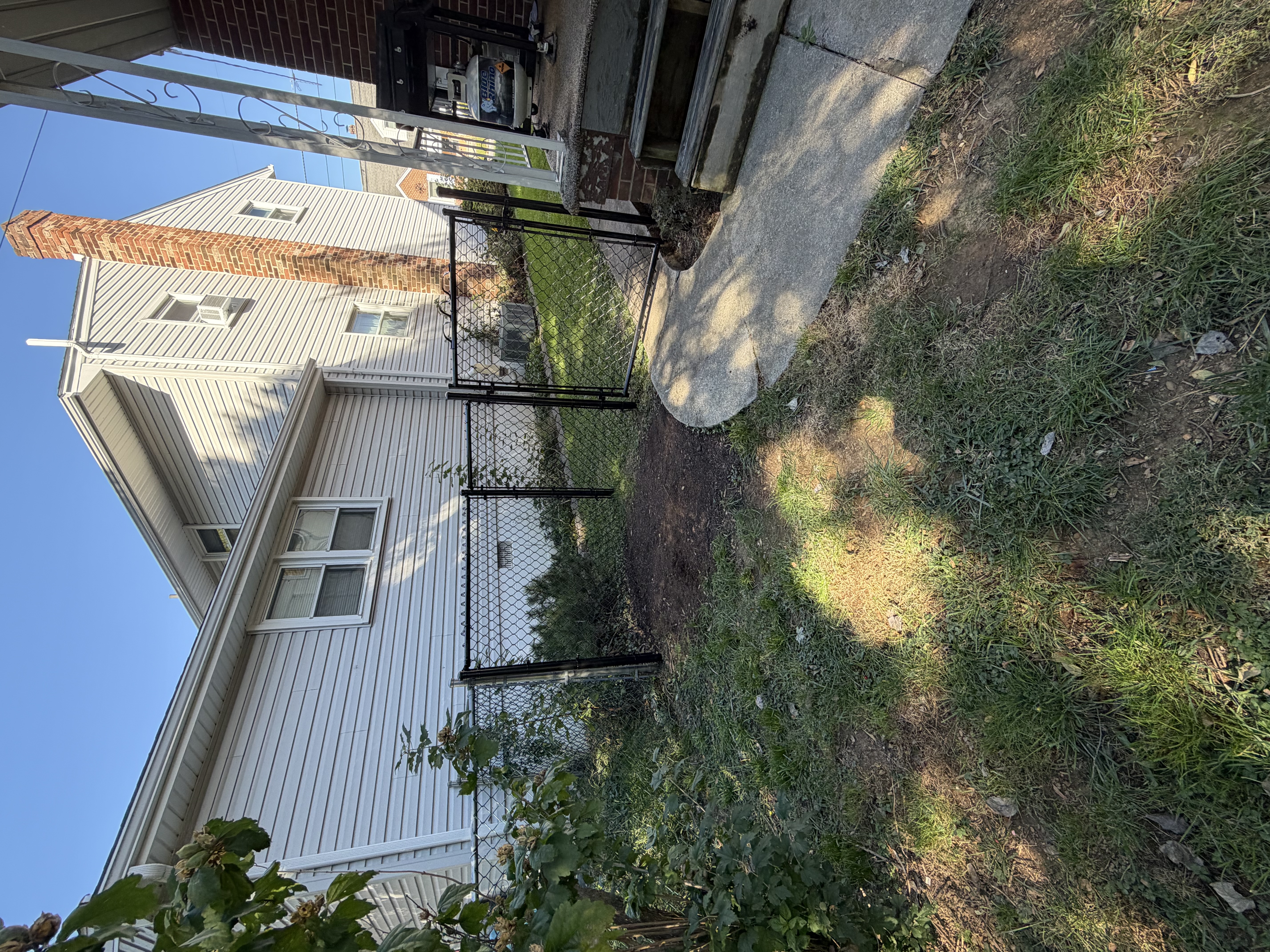
Most homeowners wait until the first warm weekend in April to start thinking about a new fence. By then, contractors are booked weeks or months out, and heavy spring rains turn yards into mud pits. If you want your project completed smoothly and on your schedule, the best time of year to install a fence in Pennsylvania is actually during late fall and winter.
During the cooler months, the ground remains workable long before deep frost sets in, and dormant lawn grass takes less damage from foot traffic and equipment. Installing a fence in late fall or winter means your backyard is fully secured and ready the moment spring weather arrives.
- Dormant grass and plants suffer minimal disturbance during post digging.
- Faster scheduling options compared to the peak spring and summer rush.
- Your yard is fully ready for kids and pets before warm weather returns.
Spring Rains and Summer Heat: Seasonal Pitfalls
Spring brings heavy rain to Adams and York counties, creating saturated soil that makes digging post holes difficult. Saturated ground can cause post holes to collapse before concrete cures properly. Furthermore, standing water delays crew operations and increases the risk of soil compaction across your lawn.
Summer brings its own set of hurdles. High temperatures make working with concrete tricky, as rapid evaporation can affect cure times if not monitored closely. Landscaping is also in full bloom during summer, making it harder to work along property lines without disturbing flower beds or turf in places like Gettysburg and Hanover.
- High soil moisture in spring leads to rutting and muddy job sites.
- Summer heat requires careful monitoring during concrete post setting.
- Established summer foliage limits visibility along tight property boundaries.
Navigating Pennsylvania Freeze Lines and Frozen Soil
A common misconception is that fence posts cannot be set once cold weather arrives. In central Pennsylvania, post footings must extend below the local frost line, which is typically thirty-six inches deep. As long as the top few inches of topsoil are not deeply frozen, standard hydraulic augers easily dig clean footings.
Concrete cures safely in cold weather when proper mixes and techniques are used. Dry-set or cold-weather concrete methods allow the post footings to set solid without freezing. Homeowners in Littlestown, New Oxford, and East Berlin often discover that winter installations yield identical structural strength to summer builds.
- Footings dig down past the frost line to prevent frost heave.
- Cold-weather concrete techniques ensure firm post stability.
- Winter ground conditions are often drier than early spring mud.
Permits, Utilities, and Lead Times in PA and MD
Planning ahead gives you a major advantage when navigating local township approvals. Municipalities in Hanover, York, and Westminster often take several weeks to process fence permits during peak season. Submitting plans in late autumn or early winter helps clear administrative hurdles without delaying actual construction.
Utility marking through PA One Call or MD One Call is mandatory before any digging begins. Underground lines must be mapped out whether it is July or January. By scheduling your site evaluation during the off-peak season, utility locating and boundary verification move along much faster.
- Township permit processing times are typically shorter in winter.
- Utility locating services respond promptly during off-peak months.
- Material availability is steady, reducing waiting periods for vinyl and aluminum.
How to Time Your Project Step by Step
To get the best result, start your planning eight to twelve weeks before your desired completion date. Begin by identifying your property lines, choosing your preferred material, and gathering any required HOA approvals in communities around Hampstead or Gettysburg.
Once your layout is confirmed and permits are secured, installation crews can handle the physical build efficiently. Choosing an autumn or winter install date means you skip the line, protect your lawn, and enter spring with a completed fence ready for family use.
- Mark boundaries and review HOA guidelines early in the process.
- Schedule site estimates before the spring rush begins.
- Enjoy full privacy and security the first warm day of spring.
Want a price for your own yard?
Draw your fence line on a satellite view of your property and see a preliminary price in a few minutes.